Geology of the Spruce Pine Mining District
by Alex Glover, PGThe geologic history of the Spruce Pine Mining District is as fascinating as it's mining history. About 380 million years ago, the African Continent was being forced toward the Ancestral Eastern North American Continent by plate tectonic force. The subduction, or forcing down of the Oceanic Crust underneath the North American Continent produced tremendous friction-generated heat from the two colliding continents. This friction-generated heat in excess of 2000 degrees melted the surrounding rock 9-15 miles below the surface. This igneous molten rock was generated under intense pressure that forced the molten rock into cracks and fissures of pre-existing rock. This molten rock under pressure is similar to hot hydraulic fluid being forced into a chamber. Due to the pressure exerted on the molten fluid, it hydraulically pushed its way through the cracks of the host rock. This opened the rock up, along with melting contact areas of the host rock and sucking up rich mineral forming fluids. As these cooled, they crystallized and became a mineral rich buried treasure. It then took an estimated 100 million years for this deeply buried (and insulated) mass to cool and crystallize. The slowly cooling mineral crystals grew within the Spruce Pine District to some of the largest feldspar and mica crystals in the world. After molten emplacement and cooling, it took millions of more years of Appalachian Mountain building and subsequent erosion to expose the deposits we see today.
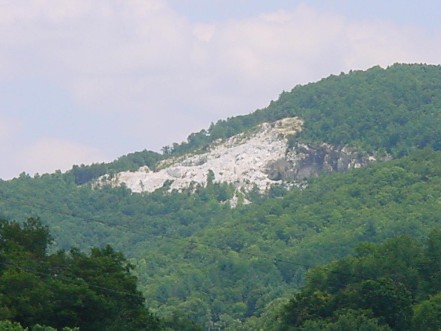
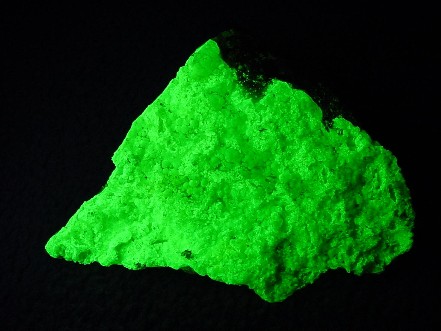
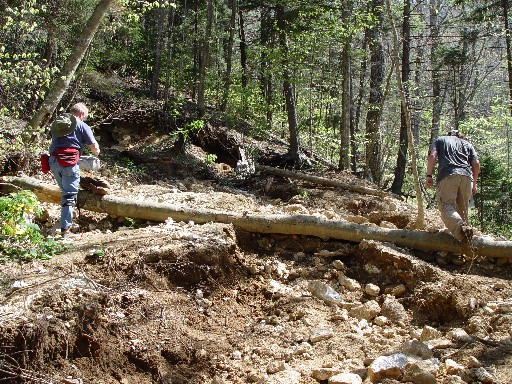
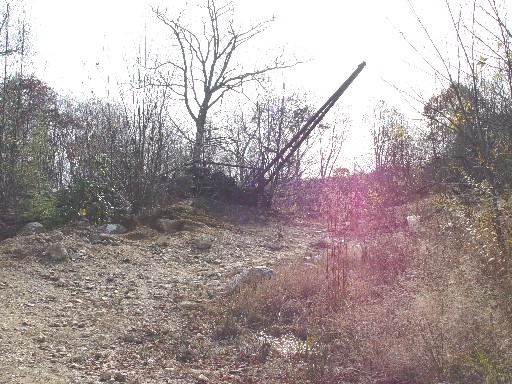
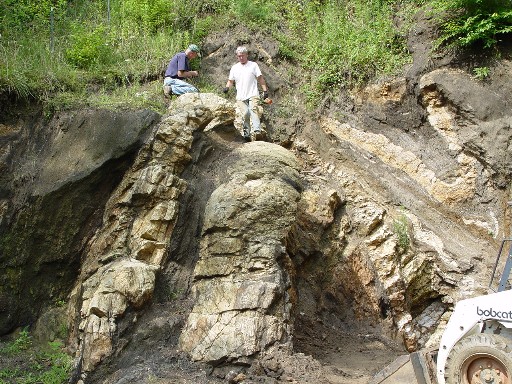
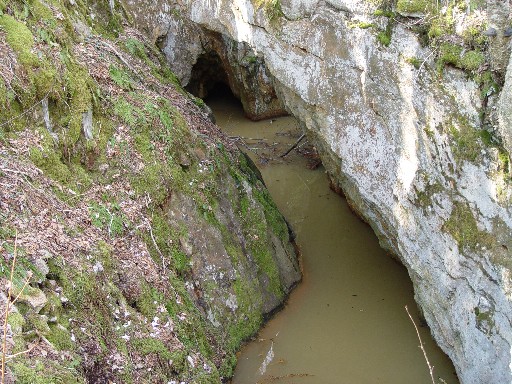
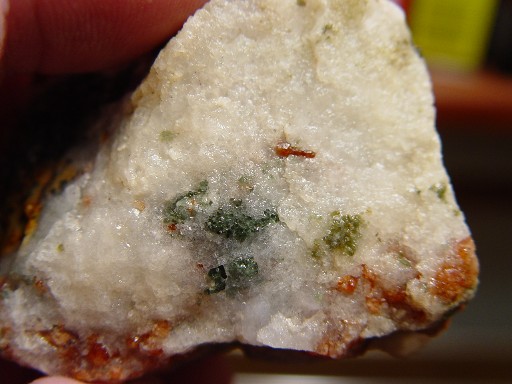
Below are pictures of some of the pegmatite mines in the Spruce Pine Mining District and surrounding areas of Western North Carolina.
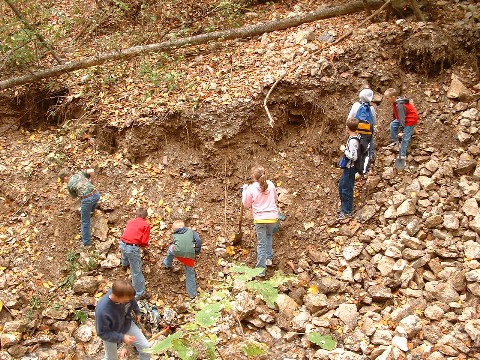
Ray Mica Mine, Yancey County, N.C.
Collectors searching the mine dumps for crystals.
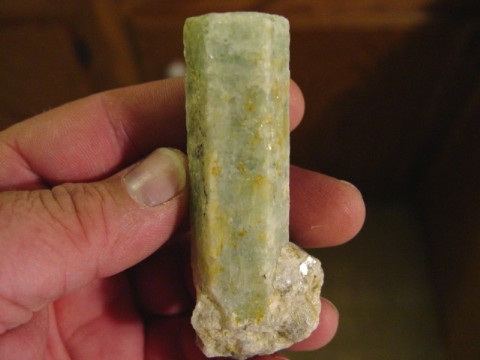
Beryl crystal recovered from the dumps.
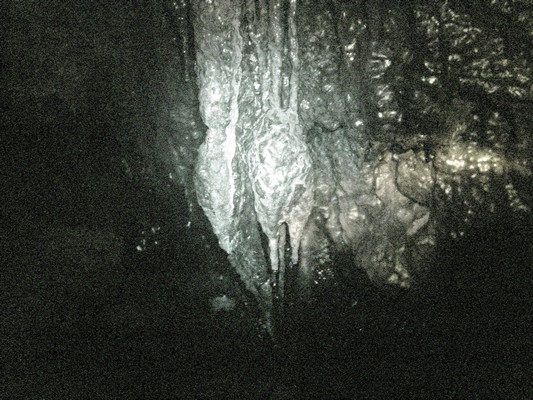
Abernathy Mine, Mitchell County, N.C.
Aragonite crystals formed on pegmatite rock.
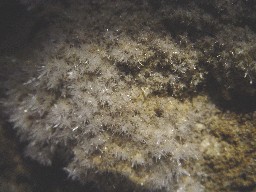
Chalk Mountain Mine, Mitchell County, N.C.
Hyalite opal formed on pegmatite rock.
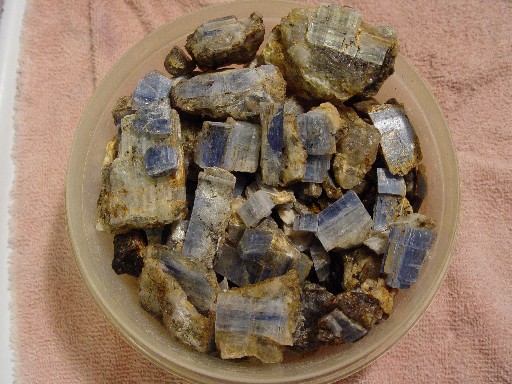
Walker Creek Kyanite, Buncombe County, N.C., The pegmatite area.
Kyanite crystals recovered from the mine.
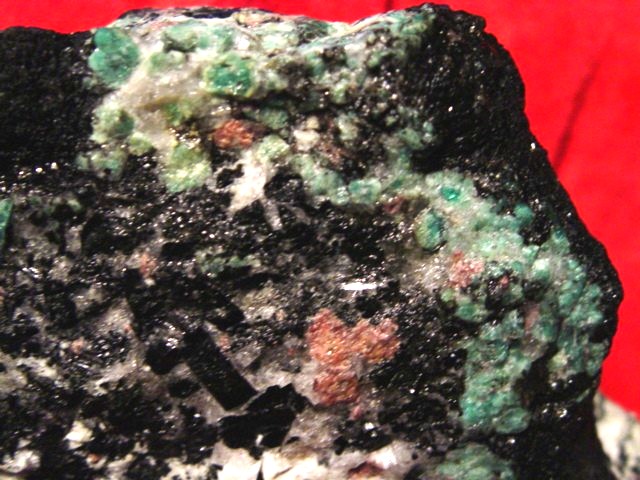
Crabtree Mine, Mitchell County, N.C.
Emerald in pegmatite.
Pressley Sapphire Mine, Haywood County, N.C.
Corundum collected at the mine.
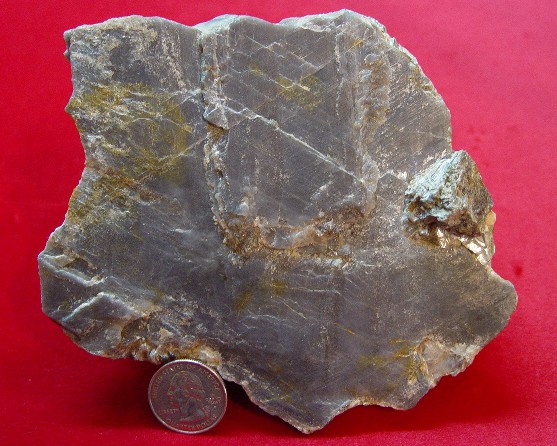
Balsam Mica Mine, Mitchell County, N.C.
Pegmatite material.